
Categories
BlogPublished October 22, 2026
What to Know Before Buying Acreage Near Bowling Green, KY

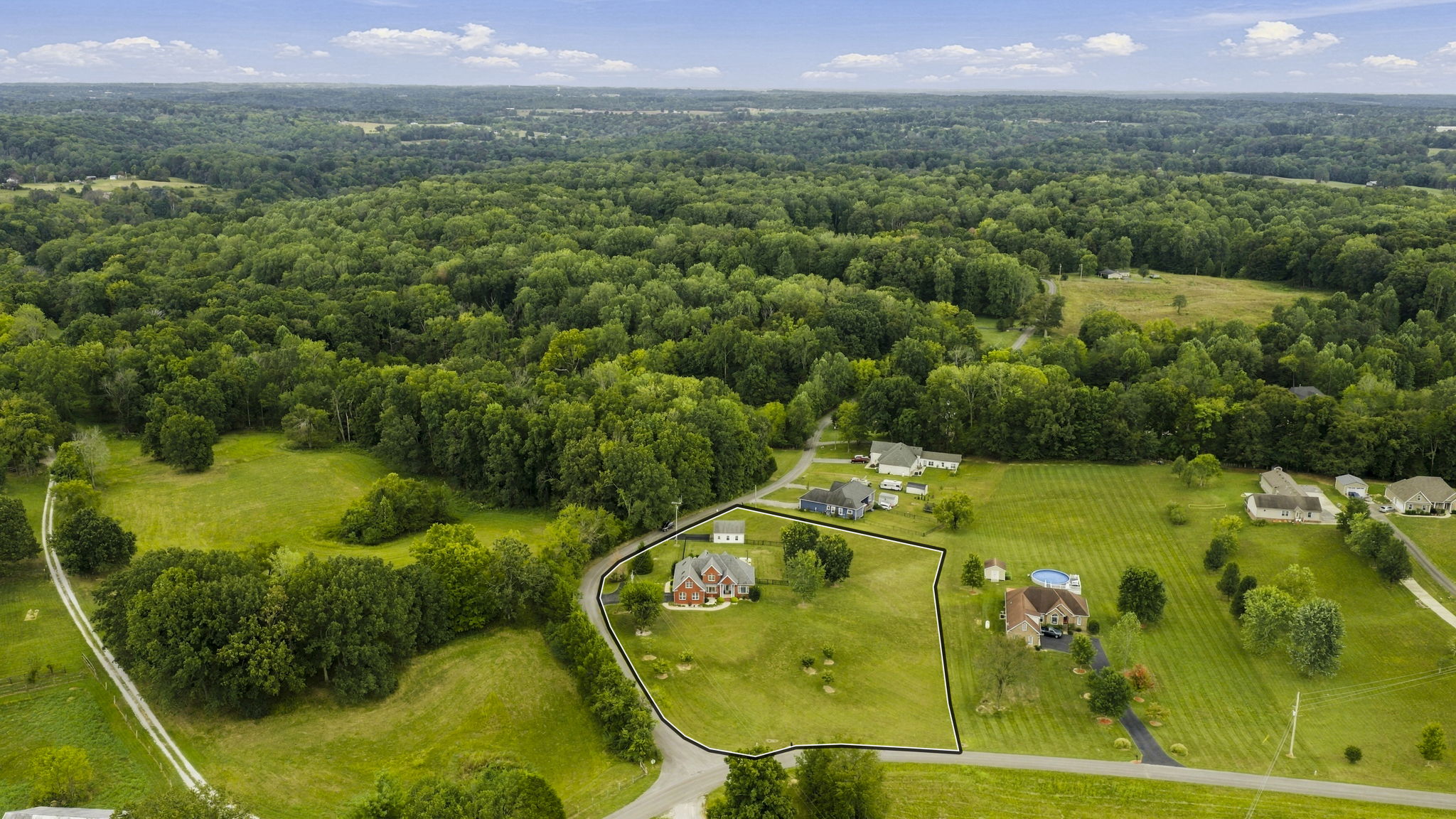
More and more of my buyers are asking about land. They want room to breathe, a little privacy, maybe a garden or a few animals, and they still want to be close to town.
I get it. There's something about pulling into a long drive at the end of the day.
But buying acreage is different from buying a house in a subdivision. There are things that come with land that you just don't think about in town. I've walked a lot of buyers through this in Warren County and the surrounding areas, so here's what I want you to know before you fall in love with a property.
Does the property have city water or a well?
This is one of the first things I check. A lot of rural Warren County has public water through Warren County Water District, but not every road does, and some older homes are still on a well.
If it's on a well, I always recommend a water test for bacteria and a check on the pump and pressure. If public water runs along the road but isn't connected, ask what it would cost to tap on. Those numbers can surprise you.
What should I know about septic systems?
Most acreage outside the city limits is on septic, not sewer. That's completely normal, but you want to know what you're getting.
For an existing home, I recommend a septic inspection so you know the age, size and condition of the system. If you're buying raw land to build on, the land needs to pass a soil evaluation (often called a perc test) before a septic permit can be issued. In Warren County, that goes through the Barren River District Health Department.
This matters more than people expect. Not every acre can support a septic system, and that can affect where you build or whether you can build at all.
Can I use the land the way I want to?
Before you plan the barn, the shop or the chicken coop, check the zoning. Zoning in Warren County is handled through the City-County Planning Commission of Warren County, and it decides things like whether you can split the land later, add a second home, or keep certain animals.
Also ask whether there are deed restrictions. Some rural tracts that were divided off from larger farms have rules on home size, mobile homes, livestock or outbuildings. I always pull those so you're not surprised after closing.
Do I need a survey?
On acreage, I almost always say yes. Fences and tree lines aren't always where the property line actually is.
A current survey shows your true boundaries, any easements (like a utility line or a neighbor's shared drive), and whether the property has legal road access. If you're getting a loan, your lender may require one anyway. It's money well spent.
What about sinkholes and flood zones?
Bowling Green sits on karst ground, which is why we have caves like Lost River Cave. It also means sinkholes are part of life out in the county. Ask the seller if they know of any, walk the land, and look at the survey and aerial maps for low spots.
It's also worth checking whether any part of the property sits in a flood zone, especially near creeks. A good inspection and a few questions up front can save you a big headache later.
What about electric, gas and internet?
A lot of rural Warren County gets electric through WRECC (Warren Rural Electric). Natural gas through Atmos isn't available everywhere out in the county, so some homes use propane instead. Ask whether the propane tank is owned or leased, because that changes who you'll be buying gas from.
And please check internet before you buy. If you work from home or have kids doing schoolwork, this one matters. Rural broadband has gotten a lot better around here, but it still varies road by road. Run the exact address through the providers, don't just go by the area.
Is financing different for land?
It can be. A home sitting on acreage can usually be financed with a regular mortgage, but some loan programs have limits on how much land or how many outbuildings they'll count. Raw land with no home on it is a different kind of loan altogether, and it usually takes a bigger down payment.
Appraisals can also be trickier, because there aren't always a lot of similar acreage sales nearby to compare to. Some rural areas around Bowling Green may qualify for USDA financing, but it depends on the exact address.
My advice is to talk with a lender early and tell them up front you're looking at land. It saves a lot of stress later.
How do property taxes work on acreage?
In Kentucky, land that's actively used for farming can qualify for an agricultural assessment, which can lower the taxable value. There are acreage and use requirements, and it's handled through the Warren County PVA office.
If the current owner has that assessment, ask whether it will carry over for how you plan to use the land. If you're not going to farm it, your taxes could look different than the seller's.
Thinking about land?
Buying acreage is one of my favorite things to help with. It just takes a little more homework than a house in town, and that's where having someone who knows the area really helps.
I've been helping buyers and sellers around Bowling Green and Warren County for 16 years, and I'll walk you through every one of these questions so nothing catches you off guard.
If you're even just starting to think about land, reach out. No pressure. Just a real conversation.
Thinking about selling a home with land instead? Here's how I market luxury and acreage homes around Bowling Green.
Megan Uvanni, Keller Williams First Choice
270-792-8982 | meganuvanni@kw.com | uvannirealestate.com

Megan Uvanni
| Megan Uvanni, REALTOR | Keller Williams First Choice
or another way